


Physiotherapy Home Service in Dhaka | Trusted Care Team
Chronic back pain, stroke recovery, a post-surgery knee, or an aging parent losing mobility — these situations often need consistent physiotherapy, but getting to a clinic every session is exhausting, and sometimes impossible. That’s why more families in Dhaka are turning to physiotherapy home service — professional, licensed physiotherapists who come to the patient instead of the other way around.
Nursing Home Care Service connects families across Dhaka with qualified physiotherapists trained in orthopedic, neurological, and geriatric rehabilitation. Whether the patient is recovering from a stroke, healing after surgery, managing Parkinson’s disease, or simply dealing with joint pain that limits daily movement, our home physiotherapy team builds a personalized treatment plan and delivers it consistently, safely, and comfortably — right in your home.
This guide covers everything you need to know about hiring a home physiotherapy service in Dhaka: what it treats, how it works, what to expect, safety considerations, costs, and how to book a physiotherapist at home quickly.
Quick Answer
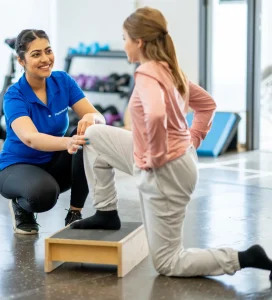
Physiotherapy home service in Dhaka means a licensed physiotherapist visits your home to provide manual therapy, exercise therapy, and rehabilitation for conditions like stroke, post-surgery recovery, joint pain, or age-related mobility loss. It offers the same clinical quality as hospital physiotherapy, with the added comfort and consistency of in-home care.
1. What Is Physiotherapy Home Service?
Physiotherapy home service is professional rehabilitation care delivered by a licensed physiotherapist at the patient’s residence instead of a hospital or clinic. It includes manual therapy, therapeutic exercise, mobility training, and pain management techniques tailored to conditions such as stroke, orthopedic injury, post-operative recovery, and neurological disorders like Parkinson’s disease.
Home-based physical therapy follows the same evidence-based principles recognized by organizations such as World Physiotherapy and the World Health Organization, adapted for the home environment.
2. Benefits of Home Physiotherapy
- Eliminates the physical strain of traveling to a clinic, especially for stroke or post-surgery patients
- One-on-one attention throughout the entire session
- Faster recovery through consistent, undisturbed therapy schedules
- Reduces risk of hospital-acquired infections for vulnerable patients
- Family members can observe and learn safe assistance techniques
- Ideal for elderly patients, wheelchair users, and bedridden individuals
- Personalized treatment plan based on the home environment and daily routine
3. Who Needs This Service
- Stroke patients requiring neurological rehabilitation
- Post-operative patients recovering from joint replacement or spinal surgery
- Elderly patients with mobility loss, balance issues, or fall risk
- Parkinson’s disease patients needing ongoing movement therapy
- Patients with chronic back pain, neck pain, or joint pain
- Sports injury patients needing structured rehabilitation
- Bedridden or ICU-discharged patients needing gradual mobility restoration
- Patients with musculoskeletal disorders limiting daily function
4. Signs You Need Physiotherapy at Home
- Difficulty walking, standing, or maintaining balance
- Persistent joint or muscle pain limiting daily activities
- Reduced range of motion after surgery or injury
- Weakness or stiffness following a stroke
- Increased fall risk in elderly family members
- Doctor or physiotherapist has recommended ongoing rehabilitation
5. When to Choose Home Physiotherapy Over Clinic Visits
Home physiotherapy is the better option when the patient has limited mobility, lives with a chronic condition like Parkinson’s disease, has recently been discharged from the hospital or ICU, or simply finds clinic visits physically and emotionally draining. For elderly or post-operative patients, a physiotherapist at home also allows for a more accurate assessment of real-world mobility challenges — stairs, bathrooms, and furniture layout included.
6. How Home Physiotherapy Works
After an initial assessment, our licensed physiotherapist develops a personalized treatment plan based on the patient’s diagnosis, mobility level, and recovery goals, coordinating with the patient’s doctor when needed. Sessions are then scheduled consistently — daily, a few times a week, or as clinically appropriate.
7. Step-by-Step Booking Process
- Contact us with the patient’s condition and location in Dhaka
- Initial assessment — physiotherapist evaluates mobility, pain, and medical history
- Treatment plan created — customized goals and session frequency
- Home visits begin — consistent, scheduled physiotherapy sessions
- Progress tracking — regular reassessment and plan adjustment
- Discharge or maintenance plan — home exercise program for long-term results
8. What to Expect During a Session
- A licensed physiotherapist arrives with necessary assessment tools
- Initial check of vitals if relevant (blood pressure monitor, pulse oximeter for at-risk patients)
- Manual therapy, guided exercises, or gait and balance training
- Clear explanation of home exercises to continue between visits
- Progress notes shared with the patient and family
9. Service Features
- Licensed, experienced physiotherapists
- Orthopedic, neurological, and geriatric physiotherapy
- Stroke and post-surgery rehabilitation
- Pain management and manual therapy
- Balance, gait, and muscle-strengthening programs
- Female physiotherapist available on request
- Flexible scheduling across Dhaka
- Coordination with the patient’s doctor when required
10. Advantages of In-Home Physical Therapy
Compared to hospital-based rehabilitation, home physiotherapy reduces travel-related fatigue, supports better consistency, and allows the physiotherapist to tailor exercises to the patient’s actual home environment — a major advantage for elderly care and post-operative care recovery.
11. Common Challenges in Home Rehabilitation
- Limited space or equipment compared to a clinical setting
- Patient motivation can dip without a structured facility environment
- Family members may unintentionally rush or over-assist the patient
- Coordinating with a doctor for complex neurological or post-surgical cases
12. Safety Tips During Physiotherapy
- Clear the therapy space of obstacles and loose rugs to prevent falls
- Ensure proper footwear and a stable chair or hospital bed nearby if needed
- Monitor patients with cardiac or breathing conditions using a pulse oximeter as advised
- Never push through sharp or worsening pain during exercises
- Keep emergency contact numbers accessible during early rehabilitation stages
13. Common Mistakes to Avoid
- Skipping prescribed home exercises between physiotherapist visits
- Over-exercising in an attempt to “recover faster”
- Ignoring pain signals instead of reporting them to the physiotherapist
- Stopping therapy too early after initial improvement
- Using an unlicensed or unqualified provider for complex conditions like stroke rehabilitation
14. Professional Recommendations
Rehabilitation should follow structured, evidence-based protocols consistent with frameworks like the International Classification of Functioning, Disability and Health (ICF). Our physiotherapists coordinate with the patient’s doctor for stroke, post-surgical, or neurological cases to ensure the treatment plan aligns with overall medical care.
15. Emergency Situations During Rehabilitation
Stop the session and seek immediate medical attention if the patient experiences:
- Sudden chest pain or difficulty breathing
- Sudden severe dizziness, confusion, or slurred speech
- A fall resulting in suspected fracture or head injury
- Sudden, severe increase in pain unrelated to normal exercise soreness
Physiotherapy supports recovery — it is not a substitute for emergency medical care. Any medical emergency should be directed to a doctor or hospital immediately.
16. Recovery Tips for Faster Results
- Follow the home exercise program consistently, not just during visits
- Maintain good nutrition and hydration to support tissue healing
- Get adequate rest between sessions, especially post-surgery
- Track pain levels and mobility improvements to share with your physiotherapist
- Attend all scheduled sessions rather than skipping when feeling better
17. Patient Care Guidelines
- Follow the physiotherapist’s exercise frequency and intensity instructions precisely
- Report any new pain, swelling, or numbness immediately
- Use mobility aids (wheelchair, walker) as recommended during recovery
- Keep follow-up appointments with the treating doctor
18. Family Care Tips
- Learn safe transfer techniques (bed to wheelchair, sitting to standing) from the physiotherapist
- Encourage but do not force the patient through exercises
- Maintain a calm, supportive environment during sessions
- Help track progress and remind the patient of home exercises
19. Equipment Needed for Home Physiotherapy
- Exercise mat and resistance bands
- Wheelchair or walker, if mobility is limited
- Hospital bed for post-operative or bedridden patients
- Blood pressure monitor and pulse oximeter for at-risk patients
- Comfortable, supportive footwear
- Parallel bars or sturdy furniture for gait training (as advised)
20. Cost of Physiotherapy Home Service in Dhaka
Costs depend on the condition being treated, session frequency, and whether specialized neurological or post-surgical rehabilitation is required. Request a personalized quote based on the patient’s diagnosis and recovery goals.
21. Service Availability & Booking
Nursing Home Care Service provides physiotherapy home service across Dhaka, Bangladesh, including patients in Dhanmondi 9 and Khilgaon, with flexible scheduling and both male and female physiotherapists available on request.
22. After Care & Long-Term Maintenance
Once formal sessions conclude, patients typically transition to a home exercise maintenance program to preserve mobility gains. Periodic reassessment is recommended, especially for chronic conditions like Parkinson’s disease or ongoing stroke recovery.
Featured Snippet Box
Definition: Physiotherapy home service is professional rehabilitation care provided by a licensed physiotherapist at the patient’s home, using manual therapy and exercise therapy to treat conditions such as stroke, post-surgery recovery, joint pain, and age-related mobility loss — combining clinical-quality treatment with the comfort of home.
Home Physiotherapy vs. Clinic Physiotherapy
Factor | Home Physiotherapy | Clinic Physiotherapy |
Travel Required | None | Yes, often difficult for patients |
One-on-One Attention | Full session | Often shared/rushed |
Comfort | High (familiar environment) | Lower |
Equipment Access | Limited to portable tools | Full clinical equipment |
Best For | Stroke, elderly, post-op, mobility-limited patients | Complex cases needing specialized machines |
Pros & Cons: Home Physiotherapy Service
Pros | Cons |
No travel stress for patient | Limited access to large clinical equipment |
Personalized, undivided attention | Requires adequate home space |
Real-world mobility assessment (stairs, bathroom) | May cost more per session than group clinic visits |
Reduces infection exposure risk | Complex cases may still need occasional clinic visits |
Choosing a Home Physiotherapy Service
- Physiotherapist is licensed and experienced in your condition type
- Service offers assessment before starting treatment
- Personalized treatment plan provided, not generic exercises
- Coordination with your doctor available for complex cases
- Transparent pricing and session structure
- Female physiotherapist available if preferred
- Positive track record with Dhaka-based patients
Patient Recovery Timeline (General Guide)
Stage | Typical Timeframe | Focus |
Initial Assessment | Day 1 | Diagnosis, mobility baseline, treatment plan |
Early Rehabilitation | Week 1–2 | Pain management, gentle mobility exercises |
Progressive Rehabilitation | Week 3–6 | Strength building, gait/balance training |
Advanced Recovery | Week 6–12 | Functional independence, endurance |
Maintenance | Ongoing | Home exercise program, periodic reassessment |
FAQs
- What is physiotherapy home service?
Physiotherapy home service is professional rehabilitation care delivered at the patient’s home by a licensed physiotherapist. It includes manual therapy, exercise therapy, and mobility training for conditions like stroke, post-surgery recovery, and joint pain, offering the same clinical standards as a clinic visit without the need to travel.
- Who needs home physiotherapy in Dhaka?
Stroke patients, post-operative patients, elderly individuals with mobility issues, Parkinson’s disease patients, and anyone with chronic joint or back pain can benefit from home physiotherapy. It’s especially useful for patients who find traveling to a clinic physically difficult or risky.
- Is home physiotherapy as effective as clinic-based therapy?
Yes, when delivered by a licensed physiotherapist, home physiotherapy follows the same evidence-based rehabilitation principles as clinic care. In many cases, it’s more effective for elderly or post-surgical patients because sessions are consistent and tailored to their actual home environment.
- Can physiotherapy help with stroke recovery at home?
Yes, stroke rehabilitation at home focuses on restoring mobility, strength, and coordination through targeted neurological physiotherapy exercises. A physiotherapist coordinates with the patient’s doctor to align therapy with the overall stroke recovery plan.
- How soon after surgery can physiotherapy start at home?
This depends on the type of surgery and the doctor’s clearance. Many post-operative patients begin gentle mobility exercises within days of returning home, under a physiotherapist’s supervision, to prevent stiffness and support faster functional recovery.
- Do you provide female physiotherapists for home visits in Dhaka?
Yes, we can arrange a female physiotherapist at home upon request, which many families prefer for elderly female patients or for comfort and cultural preference reasons.
- What conditions does home physiotherapy treat?
Home physiotherapy treats orthopedic conditions (back pain, neck pain, joint pain), neurological conditions (stroke, Parkinson’s disease), post-surgical recovery, sports injuries, and age-related mobility decline, using manual therapy and structured exercise programs.
- How much does physiotherapy home service cost in Dhaka?
Cost depends on the patient’s condition, session frequency, and treatment complexity. Request a personalized quote so pricing reflects your specific rehabilitation needs rather than a generic rate.
- What equipment is needed for physiotherapy at home?
Basic equipment may include an exercise mat, resistance bands, a wheelchair or walker if needed, and sometimes a hospital bed for post-operative or bedridden patients. Your physiotherapist will advise on any additional tools required for your specific treatment plan.
- Can elderly patients with balance problems benefit from home physiotherapy?
Yes, balance and gait training is a core part of geriatric physiotherapy, helping reduce fall risk and improve confidence in daily movement for elderly patients, all within the safety of their own home.
- Is home physiotherapy safe for Parkinson’s disease patients?
Yes, physiotherapists trained in neurological rehabilitation use movement-focused exercises to help manage Parkinson’s disease symptoms like stiffness and balance difficulty, working alongside the patient’s neurologist or doctor for coordinated care.
- How many physiotherapy sessions are usually needed?
Session count varies by condition — some patients need a few weeks of therapy, while stroke or major surgery recovery may require months of consistent sessions. Your physiotherapist will outline an estimated timeline after the initial assessment.
- What should I do if the patient feels pain during exercises?
Mild discomfort during exercise can be normal, but sharp or worsening pain should be reported to the physiotherapist immediately. Never push a patient through pain, as this can cause injury rather than aid recovery.
- Can physiotherapy help avoid surgery for joint pain?
In many cases, structured physiotherapy can reduce pain and improve function enough to delay or avoid surgery, though this depends on the specific diagnosis. A doctor and physiotherapist should jointly evaluate whether conservative treatment is appropriate.
- Do you offer physiotherapy for sports injuries at home?
Yes, our physiotherapists provide sports injury rehabilitation at home, including strength building, flexibility work, and gradual return-to-activity programs tailored to the specific injury.
- How is home physiotherapy different from home nursing service?
Home physiotherapy focuses specifically on movement, strength, and rehabilitation, while a broader home nursing service may include wound care, medication management, or post-operative nursing support. Nursing Home Care Service provides both, allowing coordinated, comprehensive home healthcare.
- What happens during the first physiotherapy home visit?
The physiotherapist assesses the patient’s condition, mobility, pain levels, and medical history, then creates a personalized treatment plan. They’ll also explain what to expect in future sessions and any home exercises to begin immediately.
- Can physiotherapy be combined with other home healthcare services?
Yes, physiotherapy is often combined with home nursing, caregiver support, or doctor home visits for patients recovering from stroke, surgery, or managing chronic conditions — ensuring coordinated, complete home medical care.
- Is physiotherapy home service available across all of Dhaka?
Yes, Nursing Home Care Service provides physiotherapy home service throughout Dhaka, Bangladesh, including areas such as Dhanmondi 9 and Khilgaon, with scheduling flexibility for most neighborhoods.
- How do I book a physiotherapist at home in Dhaka?
Contact our team with the patient’s condition and location. We’ll arrange an initial assessment, match a suitable licensed physiotherapist, and schedule sessions based on the recommended treatment plan.
Final Call-to-Action
Pain, weakness, or limited mobility shouldn’t keep anyone confined to bed or afraid to move. If you’re searching for a reliable physiotherapy home service in Dhaka, Nursing Home Care Service connects you with licensed physiotherapists experienced in stroke rehab, post-surgery recovery, and elderly care. Call us: 01712639669 today or request a free assessment to start a personalized recovery plan — right at home.