
Elderly Care Service Dhaka | Old Age Home Care – Nursing Home Care Service
There’s a quiet moment many families in Dhaka will recognize. You visit your parents on a Friday and notice the small things: medicine strips with missed doses, a fridge with barely any food, your mother holding the wall as she walks to the kitchen. Nothing dramatic has happened — yet. But you leave with a knot in your stomach, wondering how long they can safely manage alone.
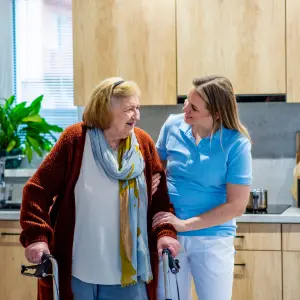
This is where a professional elderly care service Dhaka changes everything. Instead of moving your parents to an old age home or leaving them to cope alone, a trained elderly caregiver comes to their home — helping with meals, medicines, bathing, mobility, and companionship, while your family keeps full control and daily contact.
In this guide, we’ll cover what elderly home care actually includes, how it compares to old age homes and hospital stays, the warning signs families most often miss, what a proper senior care plan looks like, and how to arrange a trusted, affordable elderly caregiver anywhere in Dhaka through Nursing Home Care Service — 24 hours a day.
Quick Answer (Featured Snippet)
What is an elderly care service Dhaka? An elderly care service in Dhaka provides trained caregivers and home nurses who support senior citizens in their own homes with medication management, personal hygiene, mobility assistance, meals, fall prevention, health monitoring, and companionship — available in 12-hour and 24-hour shifts as a safe alternative to old age homes.
Key Takeaways
- Home care lets seniors age in place. Most elderly people in Bangladesh strongly prefer staying in their own home, and professional home care makes that possible safely.
- Elderly care is more than nursing. It combines daily living support, companion care, health monitoring, fall prevention, and family support in one home care plan.
- A caregiver and a nurse are different professionals. Caregivers handle daily living support; licensed nurses handle clinical tasks like injections, wound dressing, and catheter care. Many seniors need a combination.
- Early care prevents emergencies. Falls, missed medicines, and malnutrition are largely preventable with daily support — waiting for a crisis is the most expensive mistake families make.
- Nursing Home Care Service covers all of Dhaka, with male and female elderly caregivers, home nursing, physiotherapy at home, medical equipment rental, and 24-hour emergency support.
What Is an Elderly Care Service?
An elderly care service — often called senior care, old age home care, or home care for seniors — is a professional arrangement in which a trained elderly caregiver or home nurse supports an older person inside their own residence.
The core of the service is daily living support: preparing and serving meals, assisting with bathing and personal hygiene, helping the senior move safely around the house, managing toileting needs, and keeping a written record of medicines taken. Around that core sits health monitoring — watching appetite, sleep, skin condition, mood, and mobility, and alerting the family or a nurse when something changes.
Just as importantly, elderly home care includes companion care. Loneliness is one of the most underestimated health risks in old age. A consistent, friendly caregiver who talks with your father over tea, walks with your mother on the rooftop, or simply sits nearby while she prays provides emotional stability that no medicine can replace.
In Bangladesh, quality senior citizen care is arranged through a professional home care agency rather than informal hiring. The agency trains and verifies each elderly caregiver, matches them to the senior’s health condition and personality, supervises the care, and guarantees a replacement whenever needed.
Levels of Elderly Home Care
- Companion care — for independent seniors who mainly need company, meal support, and safety supervision.
- Part-time daily care (8–12 hours) — for seniors who manage nights alone but need daytime help with meals, medicines, and hygiene.
- 24-hour live-in care — for frail, fall-prone, or memory-impaired seniors who should never be alone.
- Nursing-supported elderly care — home care combined with scheduled visits from a licensed nurse for clinical needs such as injection service, IV infusion, wound dressing, or catheter care.
Why Old Age Home Care Matters in Dhaka Today
Bangladesh is ageing faster than many people realize. According to projections cited by the WHO, the share of people over 60 in low- and middle-income countries is rising steadily each decade — and Dhaka’s families feel it directly. Adult children work long hours, many live abroad, and the traditional joint family that once surrounded grandparents has largely given way to nuclear apartments.
The result is a generation of elderly parents spending most of the day alone — often with diabetes, hypertension, arthritis, heart disease, or early memory loss. Health bodies like the CDC and NHS consistently identify falls as the leading cause of injury in people over 65, and most of those falls happen at home during routine activities: getting up at night, stepping into the bathroom, reaching for something in the kitchen.
Families in areas like Gulshan 2, where both spouses typically work full-time, tell us the same story: it’s not that they don’t want to care for their parents — it’s that no one is physically present during the most dangerous hours of the day.
Professional elderly care solves exactly this. A trained senior caregiver provides the presence, patience, and practical skill that modern schedules have taken away, while the family remains the decision-maker and emotional anchor. That is genuine family support — not replacement, but reinforcement.
Who Needs Elderly Care Service Dhaka?
Consider professional senior assistance if your loved one is:
- A senior living alone whose spouse has passed away and whose children live elsewhere or abroad.
- A fall-prone elderly person with weak legs, poor balance, arthritis, or a previous fracture.
- A senior with chronic disease — diabetes, hypertension, COPD, kidney disease, or heart failure — that requires daily routine, diet discipline, and medication management.
- An elderly person with early dementia or Alzheimer’s who forgets meals, medicines, or the stove, and may wander.
- A parent recovering at home after surgery such as hip replacement, cataract surgery, or cardiac procedures.
- A stroke survivor who needs mobility assistance, feeding support, and coordination with physiotherapy at home.
- A senior recently discharged from hospital or ICU, where doctors have advised continuous observation.
- A bedridden or wheelchair-bound elder who needs position changes, hygiene care, and pressure sore prevention.
- An elderly cancer or Parkinson’s patient who needs steady, gentle, condition-aware support.
Doctors, hospitals, and clinics across Dhaka also refer elderly patients to home care agencies at discharge, because seniors who go home to structured support are far less likely to be readmitted.
Signs Your Parents Need Professional Senior Care
Adult children usually notice the signs months before they act. Watch for:
- Missed or muddled medicines — full strips that should be empty, or double doses taken by mistake.
- Weight loss and skipped meals — an empty kitchen, expired food, or “I wasn’t hungry” becoming a daily answer.
- A fall — even a “small” one. One fall in the past six months is the strongest predictor of the next, more serious fall.
- Declining hygiene — the same clothes for days, skipped baths, an unusually untidy home from a once-meticulous parent.
- Growing forgetfulness — repeated questions, misplaced money, unpaid bills, or the gas stove left on.
- Withdrawal and low mood — a parent who stops calling relatives, avoids going out, or sleeps most of the day.
- Night-time risk — getting up alone in the dark to use the bathroom, especially with blood pressure or balance issues.
- Caregiver burnout at home — a daughter-in-law or spouse who is exhausted, unwell, or unable to lift and support the elder safely.
If two or more of these describe your family, don’t wait for an emergency admission to force the decision. An early home care plan is safer, calmer, and far more affordable than crisis care.
Elderly Caregiver vs Registered Nurse: Which One Do Seniors Need?
Families often ask for “a nurse for my mother” when what they actually need is an elderly caregiver — or the reverse. Here’s the clear difference:
| Aspect | Elderly Caregiver | Registered Nurse (Male/Female) |
|---|---|---|
| Focus | Daily living support and companionship | Clinical and medical procedures |
| Typical duties | Meals and feeding, bathing, dressing, toileting, mobility assistance, medication reminders, companionship, fall prevention | Injections, IV infusion, wound dressing, catheter care, feeding tube care, tracheostomy care, vitals monitoring |
| Training | Certified caregiving and senior-handling training | Nursing degree/diploma with clinical licensure |
| Ideal for | Seniors who need help with everyday life | Seniors with active medical needs or post-surgical care |
| Cost level | More affordable for long-term daily care | Higher, reflecting clinical qualifications |
| Works under | Agency care plan and family instructions | Physician’s orders and nursing protocols |
A simple test: if your parent needs help living each day safely, start with an elderly caregiver. If your parent needs medical procedures at home, request a licensed nurse. Many seniors — for example, a diabetic elder who needs daily insulin plus meal and bathing support — do best with a caregiver full-time and a nurse on scheduled visits. Nursing Home Care Service builds both into a single coordinated home care plan.
Old Age Home vs Home Care for Seniors
Many Dhaka families quietly wrestle with this question, often with guilt attached. Here’s an honest comparison:
| Factor | Old Age Home | Elderly Home Care |
|---|---|---|
| Living environment | Shared institutional setting, new surroundings | The senior’s own home, own bed, own routine |
| Emotional impact | Separation from family and familiar neighborhood can cause loneliness and decline | Seniors stay near family, neighbors, and memories |
| Attention | Staff shared among many residents | One-to-one dedicated caregiver |
| Family involvement | Scheduled visits | Daily presence and full oversight |
| Care customization | Fixed institutional routines | Care plan built entirely around one person |
| Religious & cultural comfort | Varies by facility | Prayers, food habits, and traditions continue unchanged |
| Cost structure | Monthly facility fees plus extras | Flexible — pay for the hours and level of care needed |
| Best for | Seniors with no family support system | Seniors whose families want them close but need professional help |
For most families in Bangladesh, home care for seniors offers the dignity of ageing in place with the safety of professional support — which is why “old age home care at home” has become one of the fastest-growing care choices in Dhaka.
Professional Elderly Care vs Family Care
| Factor | Family Care Alone | Professional Elderly Caregiver |
|---|---|---|
| Love and trust | Deepest possible | Grows steadily; professional warmth and respect |
| Training | Rarely any formal patient-handling training | Trained in safe transfers, hygiene, fall prevention, and senior nutrition |
| Time | Squeezed between jobs, children, and sleep | Dedicated 12- or 24-hour shifts |
| Physical capability | Lifting a parent risks injury to both | Proper techniques and equipment |
| Objectivity | Hard to notice gradual decline in someone you see daily | Trained eyes that document and report changes |
| Sustainability | Burnout is common within months | Shift rotation and agency replacements keep care constant |
The healthiest arrangement is a partnership: the professional handles the physical, repetitive work of daily care, and the family provides love, oversight, and decisions — without destroying their own health and careers in the process.
Benefits of Professional Elderly Home Care
- Fall prevention around the clock — supervision during the highest-risk moments: bathing, stairs, and night-time toilet visits.
- Reliable medication management — a written medicine chart, timely reminders, and zero missed or doubled doses.
- Proper senior nutrition — fresh, timely, diet-appropriate meals with hydration tracking.
- Dignified personal hygiene — respectful bathing, grooming, and toileting support that preserves self-esteem.
- Daily health monitoring — early detection of fever, swelling, confusion, skin changes, or appetite loss before they become emergencies.
- Genuine companionship — conversation, walks, newspapers, prayers, and human presence that fight loneliness and depression.
- Better management of chronic disease — consistent routines for diabetes, blood pressure, and heart conditions.
- Fewer hospital admissions — problems caught early and managed at home.
- Safe mobility assistance — supported walking, wheelchair transfers, and gentle daily movement to maintain strength.
- Pressure sore prevention for bedridden and chair-bound seniors through scheduled repositioning.
- Memory care support — structured routines and constant supervision for dementia and Alzheimer’s patients.
- Relief for family caregivers — spouses and children protected from exhaustion and injury.
- Continuity through a care log — every meal, medicine, and observation documented for family and doctors.
- Flexibility as needs change — scale from a few daytime hours to 24-hour live-in care without changing providers.
- Direct access to medical services — home nursing, physiotherapy at home, home sample collection, and equipment rental through one agency.
- Peace of mind from anywhere — children abroad receive updates and know exactly who is with their parents.
Features of Our Elderly Care Service Dhaka
- Trained, verified male and female elderly caregivers
- 12-hour, 24-hour, and live-in care options
- Free in-home or phone needs assessment before any commitment
- Personalized senior care plan covering meals, medicines, hygiene, mobility, and routines
- Same-day and emergency placement across Dhaka
- Caregivers experienced in dementia care, Parkinson’s care, stroke recovery, and post-operative support
- Identity verification and background screening for every caregiver
- Supervisory visits and quality checks by senior care coordinators
- Guaranteed replacement if a caregiver is on leave or isn’t the right match
- Daily written care log shared with the family
- Licensed home nursing support — injection service, IV infusion, wound dressing, catheter care — added when needed
- Physiotherapy at home for balance, strength, and post-stroke rehabilitation
- Medical equipment rental — hospital bed rent, wheelchairs, air mattresses, walkers
- Oxygen cylinder service and oxygen concentrator support delivered to the home
- Home sample collection for routine blood tests without travel
- Transparent, affordable monthly packages — no hidden charges, ever
- 24-hour family support line, including weekends and holidays
How to Book Elderly Care: Step-by-Step
Arranging a professional elderly caregiver in Dhaka takes less time than most families expect:
- Call or message us. Reach Nursing Home Care Service any time — the line is answered 24 hours, including for urgent hospital discharges.
- Tell us about your parent. A care coordinator asks about health conditions, mobility, memory, diet, daily routine, and whether you prefer a male or female caregiver.
- Receive a care recommendation and quote. We suggest the right level — companion care, daytime care, 24-hour care, or nursing-supported care — with clear written pricing.
- We match the caregiver. We select a trained elderly caregiver whose experience fits your parent’s condition and temperament. For a senior with early dementia, that means a caregiver specifically experienced in memory care.
- Introduction and orientation. Our coordinator introduces the caregiver at your home, walks through the doctor’s instructions, house rules, and the written care plan.
- Care begins — with a daily log. Meals, medicines, activity, sleep, and any concerns are recorded every day.
- We supervise and adjust. Coordinators check in regularly, respond to feedback, adjust the plan as your parent’s needs change, and arrange replacements instantly when required.
Most placements complete within 24 hours anywhere in Dhaka — a family in Mirpur 10 calling in the morning can usually have a caregiver introduced by the evening, and urgent same-day arrangements are routinely handled for hospital discharges.
What a Senior Home Care Plan Looks Like
Every elderly care plan is personal, but here’s a realistic day for a 78-year-old diabetic senior with mild mobility problems:
- Morning: gentle wake-up assistance, blood sugar check reminder, supervised bath, skin inspection, diabetic-friendly breakfast, morning medicines logged on the chart.
- Late morning: short supported walk indoors or on the veranda, light exercises advised by the physiotherapist, hydration.
- Midday: lunch prepared to dietary guidelines, medicines, rest period with the caregiver nearby.
- Afternoon: companionship — newspaper, conversation, phone calls with grandchildren, prayer time support.
- Evening: early dinner, evening medicines, feet and skin check (essential for diabetic seniors), preparing the room for safe night movement — night light on, walking path clear, water within reach.
- Night (24-hour care): assistance for bathroom visits, monitoring for restlessness, breathlessness, or confusion.
For seniors with clinical needs — insulin injections, wound dressing after a fall, or catheter care — scheduled nurse visits are woven into the same plan, so the family coordinates with one team instead of three.
Home Safety Tips for Elderly People
Whether or not you hire professional help, these home safety changes protect every senior:
- Light the night path. Most elderly falls happen between bed and bathroom in the dark. Install night lights along that route today.
- Remove loose rugs and clutter from walkways, and tape down any carpet edges.
- Add grab bars and anti-slip mats in the bathroom — the single highest-risk room in the house.
- Keep essentials within reach — water, glasses, phone, and medicines beside the bed, so seniors don’t climb or stretch.
- Use a written medicine chart taped to the wall. Memory is not a medication system.
- Check footwear. Loose sandals cause falls; well-fitting shoes with grip prevent them.
- Watch hydration and heat. Older adults feel thirst less; in Dhaka’s humid summers, dehydration sneaks up quickly.
- Keep emergency numbers visible — the doctor, the nearest hospital, a neighbor, and a 24-hour home care line — in large print near the phone and the bed.
- Never leave a senior with dementia unsupervised near stoves, balconies, stairs, or unlocked main doors.
Mayo Clinic and NHS guidance on healthy aging both emphasize the same principle: most senior injuries at home are predictable and preventable — prevention is simply presence plus preparation.
Common Mistakes Families Make with Senior Care
- Waiting for the second fall. The best time to arrange elderly care was before the first fall; the second-best time is today.
- Hiring an untrained domestic helper as a caregiver. House help cannot safely transfer a weak senior, prevent pressure sores, or recognize warning signs.
- Skipping verification. Never place a stranger with a vulnerable elder without agency-level identity checks and supervision.
- Confusing caregivers with nurses. Expecting a caregiver to give injections is unsafe; paying a nurse full-time for companionship wastes money.
- No written care plan or medicine chart. Verbal instructions between rotating family members guarantee missed doses.
- Ignoring the senior’s voice. Involve your parent in choosing their caregiver — acceptance is faster when they feel respected, not managed.
- Choosing purely on price. One preventable fracture costs more than a year of quality care.
- Not planning caregiver leave. Choose an agency with a replacement guarantee so care never pauses on holidays.
- Doing it all alone until burnout. A collapsed family caregiver means two patients instead of one.
Professional Advice from Our Care Team
After serving thousands of senior citizens — from long-term dementia care in Mohammadpur to post-surgical recovery support in Banani — our coordinators offer new families this hard-earned advice:
Start smaller than you think, but start now. A few daytime hours of senior assistance often prevents the crisis that would later demand 24-hour care.
Prioritize the night if the senior wakes to use the toilet. Night hours are when falls, confusion, and cardiac events cluster — and when family members are asleep.
Give the match two weeks. Seniors need time to accept a new person in their home. Keep a family member present in the first days, then step back gradually.
Combine care with movement. An elderly caregiver plus physiotherapy at home preserves walking ability far longer than rest alone. Muscles at this age follow one rule: use them or lose them.
Reassess every month. Elderly needs shift — sometimes improving after recovery, sometimes gradually increasing. A good agency scales the plan and the price both ways.
Talk about money openly. Ask for written quotations and compare the total monthly cost against hospital cabins or old age homes — home care is usually the most affordable professional option, especially in shared family arrangements. Even families in older parts of the city like Wari, caring for parents in ancestral homes, find flexible hourly plans that fit their budget.
People Also Ask
1. What is the best elderly care service in Dhaka? The best elderly care service in Dhaka provides verified, trained caregivers, written care plans, agency supervision, replacement guarantees, and integrated nursing support. Nursing Home Care Service offers all of these with 24-hour availability across Dhaka.
2. How much does elderly home care cost in Dhaka? Costs depend on shift hours (12 vs 24), the senior’s condition, and whether nursing care is added. Contact Nursing Home Care Service for a transparent written quotation after a free assessment.
3. Is home care better than an old age home in Bangladesh? For seniors with family nearby, home care usually offers better emotional wellbeing, one-to-one attention, familiar surroundings, and flexible costs, while old age homes suit seniors without any support system.
4. Can I get a female caregiver for my elderly mother? Yes. Professional agencies provide both female and male elderly caregivers so families can choose gender-matched care for comfort and dignity.
5. What does an elderly caregiver do daily? An elderly caregiver assists with meals, bathing, dressing, toileting, walking, medication reminders, companionship, and health observation, following a written care plan.
6. Do elderly caregivers stay overnight? Yes. 24-hour and live-in elderly care arrangements are available, which is the most common choice for fall-prone and memory-impaired seniors.
7. Can a caregiver handle a senior with dementia? Yes, when the caregiver is specifically trained in dementia care — steady routines, calm communication, and continuous supervision for safety.
8. How quickly can elderly care start in Dhaka? Most placements are completed within 24 hours, and urgent same-day placement is often possible, including for hospital discharges.
9. Do seniors need a nurse or a caregiver? Seniors who need daily living help need a caregiver; seniors who need injections, wound dressing, or catheter care need a licensed nurse. Many need both in one coordinated plan.
10. Is 24-hour elderly care available near me in Dhaka? Yes. Nursing Home Care Service arranges 24-hour elderly care across virtually all residential areas of Dhaka city.
Frequently Asked Questions
1. What is included in your elderly care service Dhaka? Our elderly care includes meals and feeding support, bathing and personal hygiene, mobility assistance, medication management, fall prevention, companionship, daily health observation, and a written care log — delivered under a personalized care plan with agency supervision.
2. How do I arrange an elderly caregiver from Nursing Home Care Service? Call our 24-hour line or message us through the website. After a free needs assessment, we match and place a trained caregiver — usually within 24 hours anywhere in Dhaka.
3. Are your elderly caregivers trained and verified? Yes. Every caregiver completes senior-handling and caregiving training and full identity verification, and works under the ongoing supervision of our care coordinators.
4. Can I choose a male or female caregiver for my parent? Absolutely. We provide both, so your family can choose the most comfortable arrangement — most families choose gender-matched care.
5. Do you provide overnight and 24-hour elderly care? Yes. We offer 12-hour day shifts, 12-hour night shifts, and full 24-hour live-in care across Dhaka.
6. My father has dementia. Can you help? Yes. We assign caregivers experienced in dementia and Alzheimer’s care who maintain gentle routines, ensure constant supervision, and protect against wandering and household hazards.
7. What’s the difference between elderly care and home nursing? Elderly care focuses on daily living support by a caregiver. Home nursing adds licensed clinical care — injections, IV infusion, wound dressing, catheter care. We combine both when a senior needs them.
8. Can your caregivers manage a bedridden elderly patient? Yes. Our caregivers are trained in scheduled position changes, hygiene care, and pressure sore prevention, with nurse visits added for any clinical needs.
9. Do you provide medical equipment along with elderly care? Yes. We arrange hospital bed rent, wheelchairs, air mattresses, walkers, oxygen cylinder service, and oxygen concentrator support as part of a complete home setup.
10. Can you also do blood tests and physiotherapy at home? Yes. We provide home sample collection for lab tests and physiotherapy at home for strength, balance, and post-stroke or post-surgery rehabilitation.
11. What happens if the caregiver takes leave? We provide a quick replacement guarantee — your parent’s care continues without interruption, including during Eid and other holidays.
12. What if my parent doesn’t like the caregiver? Tell us. We’ll rematch promptly and keep adjusting until your parent is genuinely comfortable — acceptance matters as much as skill.
13. Do you serve all areas of Dhaka? We cover virtually every residential area of Dhaka city. Share your location when you call, and we’ll confirm placement timing immediately.
14. How is the monthly cost of elderly care calculated? Pricing depends on shift hours, the level of care required, and any added nursing or equipment services. You receive a clear written quotation before committing — with no hidden charges.
15. Is professional elderly home care safe for a senior living alone? Yes — it’s one of the safest arrangements available. A verified, supervised caregiver provides daily support and immediate emergency response, with your family kept informed through daily updates.
Conclusion
Caring for elderly parents in today’s Dhaka is a balancing act between love, work, distance, and time — and no family should have to choose between their parents’ safety and their own survival. A professional elderly care service Dhaka resolves that dilemma: your mother or father stays in the home they love, supported by trained, verified, supervised hands, while your family stays fully in charge.
Start early. Choose a professional agency, insist on a written care plan and daily log, match the right professional — elderly caregiver, nurse, or both — to your parent’s real needs, and reassess as those needs change.
Nursing Home Care Service provides trained male and female elderly caregivers, home nursing, physiotherapy at home, home sample collection, medical equipment rental, and 24-hour support across Dhaka, Bangladesh.