

Why Home Nursing Is Important After Surgery
The operation went well. The surgeon is satisfied, the discharge papers are signed, and your patient is finally coming home. Then a quiet worry sets in: now what?
Who will change the dressing tomorrow morning? Who will notice if the wound looks slightly redder than yesterday? Who will manage the pain medicines at 3 a.m. when everyone else is exhausted?
This is exactly where home nursing after surgery makes the difference between a smooth recovery and a stressful, risky one. In Bangladesh, most surgical complications do not happen inside the operating theatre — they happen at home, in the days and weeks after discharge, when wounds need dressing, medicines need timing, and small warning signs need a trained eye.
In this guide, we explain what post operative care at home really involves, who needs it, how it works with Nursing Home Care Service in Dhaka, and how a skilled private nurse can protect your loved one during the most fragile stage of recovery.
What Is Home Nursing After Surgery?
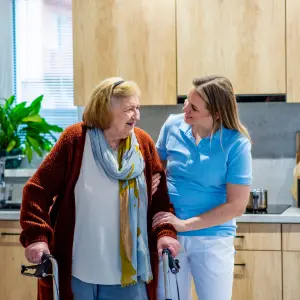
Home nursing after surgery — also called post operative care at home or surgical nursing care — means a qualified nurse continues your medical care at your residence once the hospital discharges you.
Think of it as extending the hospital’s clinical safety net into your bedroom, without the hospital’s noise, cost, and infection exposure. The nurse follows the surgeon’s written instructions and provides skilled nursing tasks such as:
- Sterile dressing changes and wound care
- Pain control according to the prescribed schedule
- Medication reminders and administration, including injections and IV infusion
- Health monitoring — blood pressure, temperature, pulse, oxygen level, blood sugar
- Catheter care, feeding tube care, and drain management where required
- Helping the patient move, sit, walk, and breathe correctly to prevent clots and chest infections
Some patients need a nurse for a few hours a day. Others — for example, ICU discharged patients or those recovering from major abdominal, cardiac, or orthopedic surgery — need 12-hour or 24-hour skilled nursing at home. The level of care is matched to the operation, the patient’s age, and the doctor’s advice.
Why Post Operative Care at Home Matters So Much
1. The riskiest days come after discharge
Hospitals discharge patients earlier than ever. That is usually good — home is more comfortable and carries less exposure to hospital germs. But it also means the critical healing phase now happens at home, where there is normally no medical supervision.
Health authorities such as the WHO and CDC consistently identify surgical site infections as among the most common post-surgery complications worldwide, and many of them develop after the patient has left the hospital. A trained nurse inspecting the wound daily can catch redness, swelling, unusual discharge, or fever at the earliest stage — when it is easiest and cheapest to treat.
2. Family love is not the same as clinical skill
Your family will give unconditional love, home food, and emotional support. What they usually cannot give is sterile technique for a dressing change, correct positioning for a hip replacement patient, or the judgment to know whether today’s swelling is normal or dangerous.
A professional nurse brings that clinical judgment home. This is the heart of safe recovery at home: love from the family, skill from the nurse.
3. Prevention is far cheaper than readmission
A single avoidable complication — an infected wound, a fall, a chest infection, a blood clot — can mean another hospital admission, more tests, and more expense. Compared to that, hiring a home nursing service is a small, sensible investment in a safe recovery.
4. Better sleep, better food, better healing
Research and clinical experience agree: patients heal better where they sleep well and eat familiar food. Home recovery reduces stress hormones, improves appetite, and lifts the patient’s mood — all of which support tissue healing and immunity. Organizations like the NHS actively encourage supported recovery at home for suitable patients for exactly this reason.
Who Needs Home Nursing After Surgery?
Post operative home care is valuable after almost any operation, but it is essential for:
- Elderly patients — slower healing, higher fall risk, multiple medicines
- Patients after major surgery — cardiac bypass, abdominal surgery, cancer surgery, neurosurgery
- Orthopedic patients — hip replacement, knee replacement, spinal surgery, fracture fixation
- ICU discharged patients — who may still need oxygen support, suction, or an ICU setup at home
- Cancer patients — recovering from tumor removal while continuing chemotherapy or palliative care
- Stroke patients who underwent procedures and need rehabilitation care
- Bedridden patients at risk of bed sores, clots, and pneumonia
- Patients with tracheostomy, feeding tubes (PEG/Ryles tube), or urinary catheters
- Diabetic patients, whose wounds heal slowly and get infected easily
- Patients living alone or in families where everyone works during the day
If your loved one falls into any of these groups, professional patient care at home is not a luxury — it is part of the treatment.
Signs You Need a Post Operative Nurse at Home
Book skilled nursing support if you notice any of the following after discharge:
- The wound needs daily or alternate-day sterile dressing changes
- The patient cannot walk to the toilet, bathe, or change position without help
- Pain is poorly controlled, or the medicine schedule is confusing
- There is a catheter, surgical drain, feeding tube, or tracheostomy to manage
- The patient has fever, nausea, poor appetite, or low mood after coming home
- Family members feel anxious, exhausted, or unsure about what is “normal”
- The doctor has asked for regular monitoring of vitals, blood sugar, or oxygen
- The patient needs injections, IV infusion, or physiotherapy at home
One honest rule: if you are googling wound photos at midnight to check whether it looks infected, you need a nurse.
Benefits of Home Nursing After Surgery
Here is what families across Dhaka actually gain when they book post operative care at home:
- Faster healing through consistent, doctor-directed care
- Lower infection risk thanks to sterile wound dressing and strict infection control
- Early detection of complications — fever, bleeding, swelling, breathing problems
- Fewer hospital readmissions and fewer emergency visits
- Professional pain control so the patient rests and moves comfortably
- Accurate medication management — right medicine, right dose, right time
- 24-hour patient observation for high-risk and elderly patients
- Fall prevention with safe mobility support and supervised walking
- Bed sore prevention through regular repositioning and skin care
- Blood clot (DVT) prevention through early movement and leg exercises
- Personal hygiene support — bathing, grooming, toileting with dignity
- Nutritional support and feeding assistance, including tube feeding
- Emotional reassurance for both the patient and the family
- Reduced family burden — relatives can work and sleep without guilt
- Significant cost savings compared to a prolonged hospital stay
- Comfort of home — familiar bed, home food, family nearby
- Direct coordination with your surgeon through regular reports and updates
- Personalized care built around one patient — not a ward of thirty
Features of Our Post Operative Care Service
Nursing Home Care Service designs every care package around the patient. Standard features include:
- Licensed nurses — diploma and B.Sc. qualified, background verified
- Male nurse and female nurse options to respect patient comfort and privacy
- Critical care nurses for ICU discharged and high-dependency patients
- 8-hour, 12-hour, and 24-hour duty shifts — daily, weekly, or monthly
- Sterile wound dressing and surgical drain care at home
- Injection service and IV infusion at home
- Vital signs monitoring — BP, pulse, temperature, SpO2, blood sugar
- Catheter care, tracheostomy care, and feeding tube (PEG/Ryles) care
- Full ICU setup at home — monitor, suction, oxygen, hospital bed
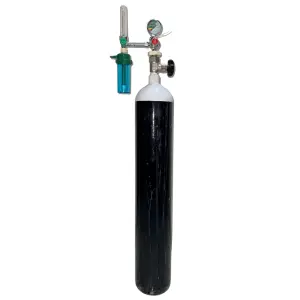
- Oxygen cylinder service and oxygen concentrator support
- Hospital bed rent and medical equipment rental (wheelchair, air mattress, and more)
- Physiotherapy at home for post-surgery rehabilitation care
- Home sample collection for follow-up lab tests
- Trained caregivers and patient attendants for non-medical daily support
- Elderly care specialists experienced with dementia and Parkinson’s patients
- Daily written care notes shared with the family and doctor
- Emergency response guidance and hospital coordination when needed
- Same-day and urgent deployment across Dhaka, 24 hours a day
How the Service Works: Step-by-Step Process
Getting home nursing after surgery with Nursing Home Care Service is simple:
- Contact us. Call or message us — ideally 1–2 days before discharge, though same-day requests are welcome.
- Free care assessment. Our care coordinator discusses the surgery type, doctor’s instructions, patient condition, and home environment.
- Care plan design. We recommend the right level of support — caregiver, general nurse, or critical care nurse — plus any equipment such as a hospital bed or oxygen support.
- Nurse assignment. We match a verified male or female nurse with relevant surgical care experience and share their profile with you.
- Smooth hospital-to-home transition. The nurse can receive the patient at discharge, review prescriptions, and set up the room safely.
- Daily skilled care begins. Dressing changes, medicines, vitals, hygiene, mobility, feeding — all documented daily.
- Ongoing monitoring and reporting. The family receives regular updates; any warning sign is escalated to your doctor immediately.
- Review and step-down. As the patient improves, we adjust hours, add physiotherapy, and eventually hand a stronger, healed patient back to normal life.
A Typical Post Surgery Care Plan (Week by Week)
Every plan is personalized, but a common recovery roadmap looks like this:
Days 1–3 (Highest risk): 12–24 hour nursing. Strict wound observation, pain control, vitals every few hours, help with toileting, breathing exercises, first supported steps.
Days 4–7: Daily dressing change, medication reminders, gentle walking practice, monitoring for fever or swelling, bowel and appetite tracking.
Week 2: Reduced nursing hours for many patients. Suture/staple care, physiotherapy begins, gradual independence in bathing and dressing.
Weeks 3–6: Rehabilitation care focus — strength, balance, and mobility exercises; follow-up test coordination through home sample collection; transition to caregiver support if full nursing is no longer needed.
This structured hospital to home care pathway is what turns a risky recovery into a predictable one.
Safety Tips for Recovery at Home
Whether or not you hire a nurse, follow these post surgery recovery basics:
- Never skip dressing changes or reuse dressing materials.
- Wash hands before touching the wound area — every single time.
- Take medicines exactly on schedule. Set alarms; don’t “adjust” doses without the doctor.
- Watch for red flags: fever above 38°C, spreading redness, pus, foul smell, sudden severe pain, chest pain, breathlessness, or leg swelling. Contact your doctor immediately.
- Move early, move gently. Short supported walks prevent clots and pneumonia — but only as advised for your surgery type.
- Eat protein-rich food and drink enough water to fuel wound healing (guidance echoed by sources like Mayo Clinic for surgical recovery).
- Prevent falls: clear walkways, good lighting, non-slip bathroom mats, and never let a weak patient walk alone.
- Keep follow-up appointments — they exist to catch silent problems.
Common Mistakes Families Make After Surgery
- Treating discharge as “fully recovered” and stopping all monitoring
- Letting untrained relatives change sterile dressings
- Stopping antibiotics early because “the patient feels fine”
- Keeping the patient in bed all day out of fear — which invites clots, bed sores, and pneumonia
- Ignoring low-grade fever, poor appetite, or confusion in elderly patients
- Overfeeding or giving unsuitable food against medical advice
- Delaying physiotherapy until stiffness has already set in
- Waiting until a crisis before arranging professional help
Avoiding even two or three of these mistakes can change the entire recovery outcome.
Professional Advice From Our Nursing Team
Our senior nurses share the same advice with every family in Dhaka:
“Plan home care before discharge, not after a complication. The families who call us from the hospital corridor — before taking the patient home — almost always have the smoothest recoveries. The wound stays clean, medicines stay on time, and small problems stay small.”
They also remind families that recovery is emotional as much as physical. Elderly and post-ICU patients often feel anxious or low after surgery. A calm, experienced nurse who talks with the patient, encourages each small milestone, and involves the family is powerful medicine in itself — genuine family support with professional backing.
Serving Families Across Dhaka
Nursing Home Care Service provides home nursing after surgery throughout Dhaka, Bangladesh. Whether your family lives in a high-rise apartment in Bashundhara R/A, a family home in Dhanmondi 5, or near the busy lanes of Malibagh, our nurses reach you quickly with all necessary supplies. We regularly support post-surgery patients in Mirpur 10 and send same-day nurses to Uttara Sector 7 and surrounding neighborhoods — so professional care is never far from your doorstep. If you have been searching for a “home nurse near me” in Dhaka, we are already in your area.
Conclusion
Surgery fixes the problem. Recovery protects the result. And recovery lives at home — in every dressing change, every correctly timed tablet, every careful first walk down the hallway.
Home nursing after surgery gives your loved one what a hospital cannot: one-to-one skilled care in the comfort of their own bed, and it gives your family what love alone cannot: clinical safety, early warning, and peace of mind.
Don’t leave the most important phase of treatment to chance. Bring the care home.
Nursing Home Care Service — trusted, professional, affordable home healthcare in Dhaka, Bangladesh. Call now to book a licensed post operative nurse, hire a caregiver, arrange an ICU setup at home, or rent medical equipment. We are available 24 hours, including emergencies.
PEOPLE ALSO ASK
- Why is nursing care important after surgery? Because most complications — infection, clots, falls, medication errors — happen after discharge, and a nurse detects and prevents them early.
- How long do you need a nurse after surgery? Typically 1–4 weeks depending on the operation; major surgeries and elderly patients may need 6 weeks or longer.
- What does a post operative nurse do at home? Wound dressing, pain control, medication management, vitals monitoring, catheter/tube care, hygiene support, and mobility assistance.
- Can I get a home nurse in Dhaka after surgery? Yes. Services like Nursing Home Care Service provide licensed male and female nurses across Dhaka, often the same day.
- Is home nursing cheaper than staying in hospital? Yes — shift-based home nursing in Bangladesh usually costs far less than daily hospital bed and service charges.
- What are the danger signs after surgery? Fever, spreading redness, pus or foul smell from the wound, severe pain, breathlessness, chest pain, and leg swelling.
- Who changes surgical dressings at home? A trained nurse should, using sterile technique; untrained dressing changes are a leading cause of wound infection.
- Do elderly patients need special care after surgery? Yes — they heal slower, fall more easily, and often take multiple medicines, so skilled supervision is strongly advised.
- Can a nurse give injections and IV at home? Yes, licensed home nurses provide injections, IV infusion, and other doctor-prescribed treatments at home.
- What is included in post operative care? Wound care, pain and medication management, infection monitoring, nutrition and hygiene support, mobility help, and rehabilitation.
FREQUENTLY ASKED QUESTIONS (FAQ)
1. What is home nursing after surgery? It is professional nursing care delivered at your home after an operation — wound dressing, medication management, vitals monitoring, and recovery support — following your surgeon’s instructions.
2. How soon can a nurse reach my home in Dhaka? Often within a few hours. For planned discharges, we recommend booking 1–2 days in advance so the nurse can receive the patient directly from the hospital.
3. Can I choose a male or female nurse? Yes. Nursing Home Care Service provides both male nurses and female nurses so patients feel fully comfortable.
4. What shifts are available? 8-hour, 12-hour, and 24-hour shifts — on a daily, weekly, or monthly basis, adjustable as the patient improves.
5. Is the nurse qualified to handle serious patients? Yes. For ICU discharged or high-dependency patients, we assign critical care nurses and can arrange a complete ICU setup at home.
6. Do you provide wound dressing and injection service separately? Yes. If you only need a visiting nurse for dressing changes, injections, or IV infusion, we offer per-visit services too.
7. How much does post operative home nursing cost in Bangladesh? Cost depends on shift length, nurse category, and duration. It is generally far more affordable than an extended hospital stay — contact us for a clear, honest quote.
8. Will the nurse coordinate with our doctor? Yes. Our nurses follow the surgeon’s written plan, keep daily care notes, and report any warning sign to your doctor and family immediately.
9. Can you also provide a caregiver instead of a nurse? Yes. For patients who mainly need help with bathing, feeding, toileting, and companionship, a trained caregiver or patient attendant is a cost-effective option.
10. Do you support tube feeding and catheter care? Yes. Our nurses manage PEG/Ryles tube feeding, urinary catheter care, tracheostomy care, and surgical drain care at home.
11. Can you arrange oxygen and a hospital bed at home? Yes. We provide oxygen cylinder service, oxygen concentrator support, hospital bed rent, and other medical equipment rental with home delivery.
12. Is physiotherapy included in recovery care? Physiotherapy at home can be added to any care plan — highly recommended after orthopedic, stroke-related, and major surgeries.
13. Do you serve areas outside central Dhaka? We cover neighborhoods across Dhaka city. Call us with your address and we will confirm availability, including emergency and night-time requests.
14. Is home nursing safe for elderly patients with dementia or Parkinson’s? Yes. We have elderly care specialists experienced in dementia care and Parkinson’s care alongside post-surgical support.
15. How do I book a nurse right now? Simply call Nursing Home Care Service or message us through our website. Our coordinator will assess your needs and assign a verified nurse — 24 hours a day, 7 days a week.